
Crazy Time RTP & Volatility: Player Guide to Game Mechanics
Unravel the secrets of Crazy Time's RTP and volatility. This in-depth guide explains how these factors influence your betting strategy and potential payouts.
Crazy Time RTP and Volatility: What Players Must Know Before Betting
Delve into the captivating world of Crazy Time, one of the most enthralling live casino game shows available today! Beyond its vibrant visuals and charismatic hosts, a thorough understanding of the underlying mathematical principles is paramount for any discerning player. Two fundamental concepts consistently emerge: Return to Player (RTP) and volatility. Grasping how these elements function within Crazy Time can significantly inform your betting strategy and shape your expectations regarding potential payouts. This detailed guide will illuminate RTP and volatility specifically for this popular game, ensuring you’re well-equipped before placing your next wager. For more comprehensive insights into this fantastic show, feel free to visit crazy-time.network.
Most beginners focus only on bonus rounds, but RTP and volatility explain why certain outcomes appear more often and why big wins can be rare. This guide explores these concepts in detail, helping players understand how the game behaves before placing their bets.
What RTP Means in Crazy Time
RTP — Return to Player — represents the theoretical percentage of wagers that the game returns to players over the long term. It does not indicate what a single player will win in one session, but it demonstrates how the game is mathematically structured.
Before diving into volatility and gameplay behavior, it helps to illustrate what RTP represents using a structured comparison table. This table offers clarity without interrupting the deeper analysis that follows.
Crazy Time RTP Breakdown
This overview helps illustrate that RTP is not a fixed number across the entire game — each section behaves differently. Players should understand that bonus rounds can slightly alter the return depending on their volatility and multiplier distribution.
Why RTP Doesn’t Guarantee Results
One of the biggest misunderstandings is believing that a high RTP means consistent wins. RTP is calculated across millions of spins, not individual sessions. A single player may experience big wins, long dry periods or average results depending on volatility and luck.
RTP provides a mathematical baseline, but volatility shapes the actual experience.
Understanding Volatility in Crazy Time
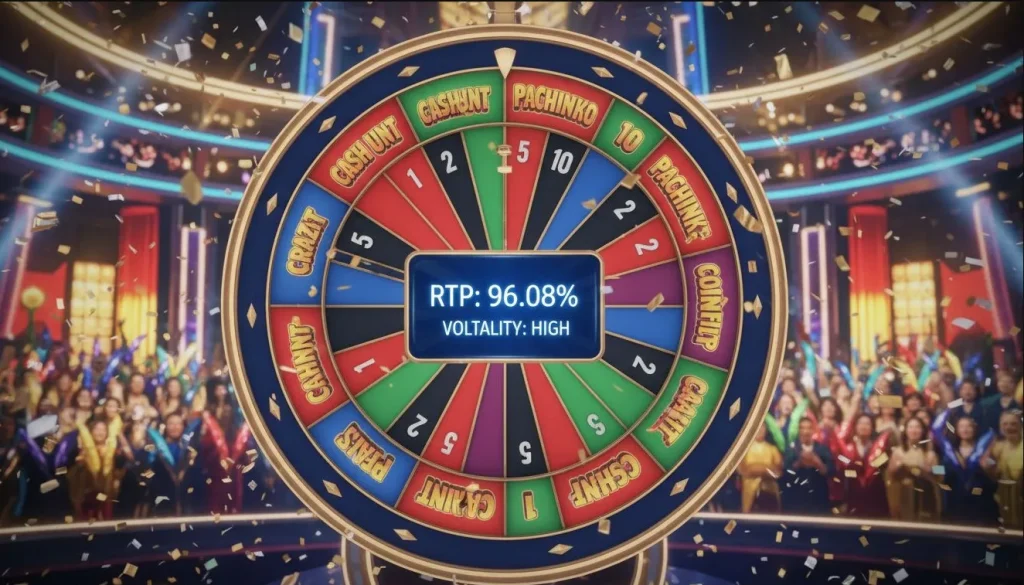
Volatility measures how frequently the game pays out and how big those payouts tend to be. Crazy Time is known for high volatility, meaning long periods without major wins are normal — but bonus rounds can produce explosive payouts when they hit.
Because volatility influences gameplay more strongly than RTP, players should understand its components before developing their strategies.
Before listing the core elements that define volatility, it is helpful to explain why volatility matters in Crazy Time: the game’s structure is built around rare but high-value outcomes, especially in bonus rounds.
Key factors that create volatility in Crazy Time
The following points summarize the main volatility drivers, providing a quick visual break while still fitting naturally within the surrounding explanations:
- Uneven distribution of bonus segments on the wheel
- Bonus rounds with extremely wide payout ranges
- Multipliers that stack unpredictably
- High-impact “Double” and “Triple” segments in the Crazy Time wheel
These elements combine to create the thrilling unpredictability that players associate with Crazy Time, but they also increase risk.
How Volatility Affects Bonus Rounds
Each bonus round carries its own volatility level, and understanding this helps players adjust expectations. Cash Hunt and Coin Flip behave differently from Pachinko or the Crazy Time wheel. To illustrate this, the table below organizes volatility characteristics clearly.
Volatility Levels of Crazy Time Bonus Games
With this foundation, players can approach the game with more realistic expectations.
How RTP and Volatility Influence Player Strategy
While Crazy Time is largely luck-based, RTP and volatility offer insight into how long a session might last and what kind of wins are more likely. High volatility rewards patience but punishes short bankrolls, while RTP provides a sense of long-term fairness.
Players who understand volatility tend to adjust their betting patterns accordingly. For example, conservative players use smaller bets to survive dry periods, while aggressive players increase wager sizes during high-potential bonus streaks. Recognizing the difference between short-term swings and long-term return improves decision-making.
How Beginners Should Approach RTP and Volatility
Beginners often overlook volatility because they focus on bonuses. But knowing how the game behaves mathematically can prevent frustration and build realistic expectations. Beginners should prioritize learning how often bonuses trigger, how multipliers behave, and why long losing streaks are normal in a high-volatility game.
The following table provides simple recommendations for different types of players based on risk tolerance.
Recommended Approaches Based on Volatility Comfort
This comparison helps players choose a gameplay style that matches their expectations.
Why Understanding Volatility Protects Your Bankroll
Volatility explains why some players experience long dry spells. It also clarifies why massive wins can appear suddenly after periods of low activity. Knowing this prevents emotional decisions, such as chasing losses or betting inconsistently.
A well-informed player recognizes that Crazy Time rewards patience and bankroll management, not impulsive wagering.
Conclusion
The crazy time game combines mathematical structure with high-energy entertainment, and understanding RTP and volatility is essential for anyone who wants to enjoy it responsibly. RTP provides the long-term average performance of the game, while volatility reveals the real rhythm of wins and losses during a session. Together, these factors help players appreciate how Crazy Time works beneath the surface.
By learning how different bonus rounds behave, how multipliers fluctuate, and how risk levels shape outcomes, players gain a clear understanding of what to expect before betting.