Indie developers face a genuine dilemma: making games is expensive, players expect low prices, and the monetization patterns that print money in mobile free-to-play — countdown timers, artificial scarcity, deliberately confusing currencies — are exactly the ones that burn player trust. The good news from a decade of indie hits is that fair monetization is not charity. It is a strategy with a proven commercial record.
The principle underneath every fair model is simple: the player should always know what they are paying for, and paying should never be the answer to frustration the game deliberately created.
The models that respect players — and still pay rent
Premium pricing remains the indie default for good reason: one honest price, one complete game. Stardew Valley and Hollow Knight built empires on it. The model forces healthy discipline — your game must be visibly worth its price in screenshots alone.
Free demo, paid full game is premium's trust accelerator. A demo that ends on a cliffhanger converts better than any trailer and generates wishlists that drive launch visibility.
Cosmetic-only purchases work when the community is large: players pay for expression, never for power or relief from designed irritation. Expansions — substantial new content at a fair price — turn a game's tail into years of revenue, as No Man's Sky and Slay the Spire demonstrated from opposite directions.
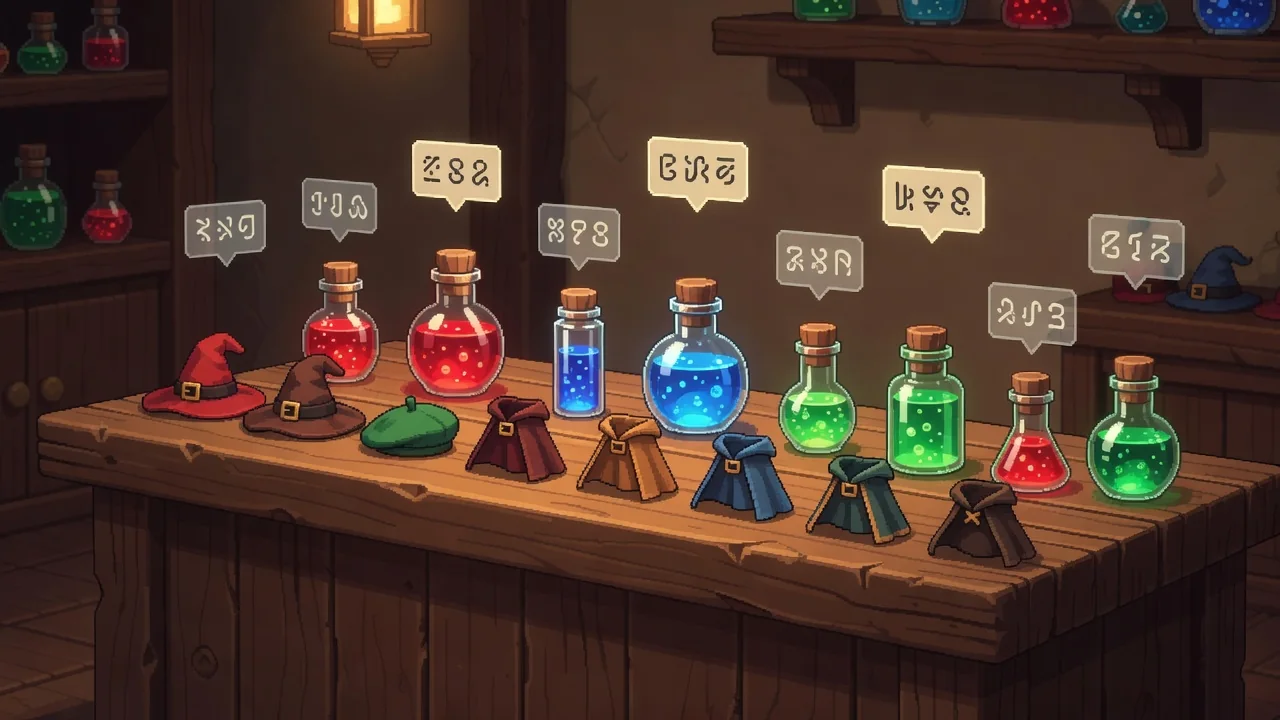
The dark patterns to refuse
| Pattern | Why it works (short term) | What it costs you |
|---|---|---|
| Countdown timers & FOMO offers | Panic purchases | Refunds, review bombing |
| Premium currency bundles | Obscures real prices | Player distrust, regulation risk |
| Pay-to-skip grind | Sells relief from pain you designed | Teaches players the game is the obstacle |
| Loot boxes with odds | Gambling mechanics | Legal exposure in the EU and beyond |
| Energy systems | Monetizes waiting | Churn once novelty fades |
Regulators have noticed the same patterns players have. Loot boxes are banned or restricted in several European markets, and disclosure rules tighten every year. Mechanics built on psychological pressure are a depreciating asset with legal interest.
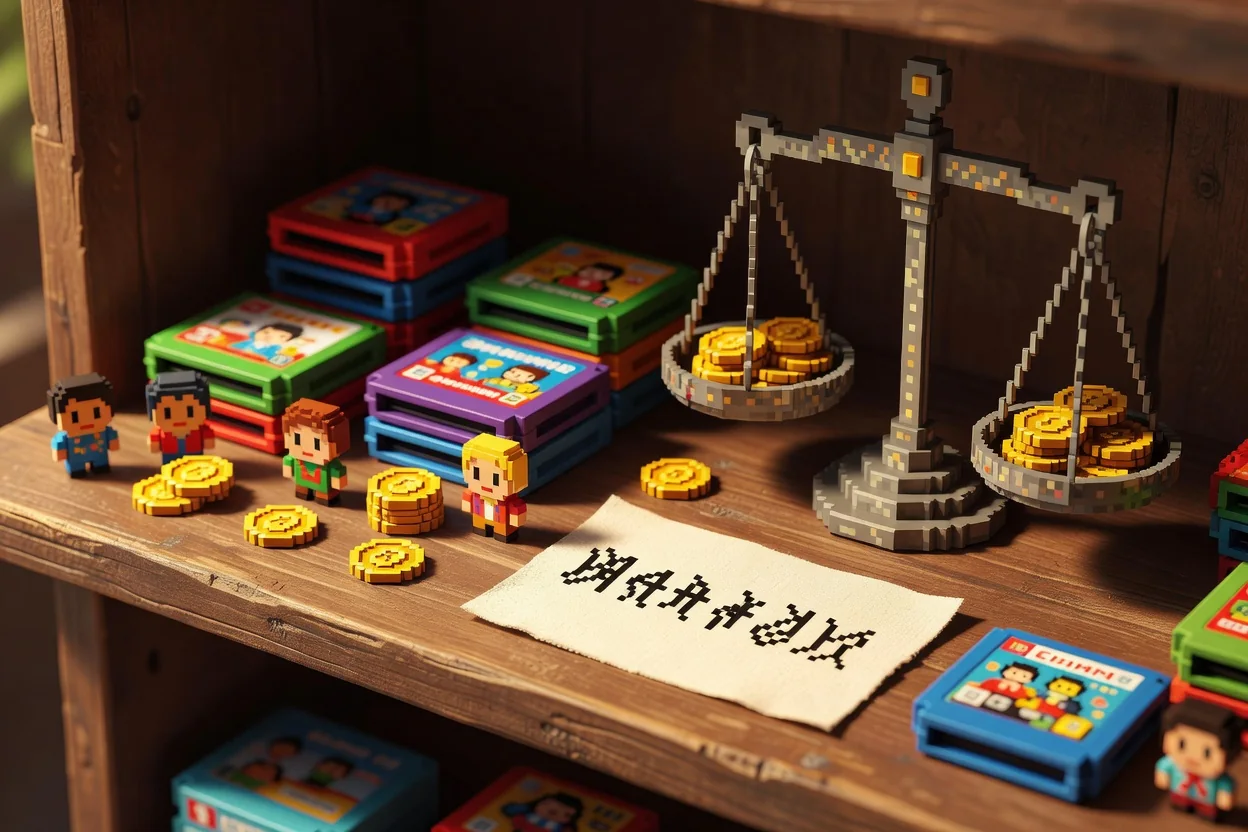
Monetization Without Dark Patterns: Fair Models for Indie Games
Related guide on this topic.
A fairness checklist for your store page
- Every price in real money, visible before any purchase flow begins.
- No purchase available at a moment of frustration — death screens sell nothing.
- Cosmetics clearly cosmetic, gameplay content clearly substantial, and the difference never blurred.
- The "little sibling test": could a twelve-year-old understand exactly what buying this gets them? If not, redesign it.
Fair monetization compounds. Players who trust your store page buy your next game on announcement, defend you in review sections, and convert their friends. That audience is worth more than any quarterly spike a countdown timer ever produced.